
NewLIFE4BioIslands

LIFE24-NAT-ES-NewLIFE4BioIslands

101216081

NewLIFE4BioIslands aims to restore degraded Mediterranean and island landscapes, reverse native pollinator decline, improve habitat connectivity, and strengthen ecosystem resilience through Biodiversity Islands.

Recent News

Actions

Project locations

Join our Bioblitz events

What is a BioBlitz?

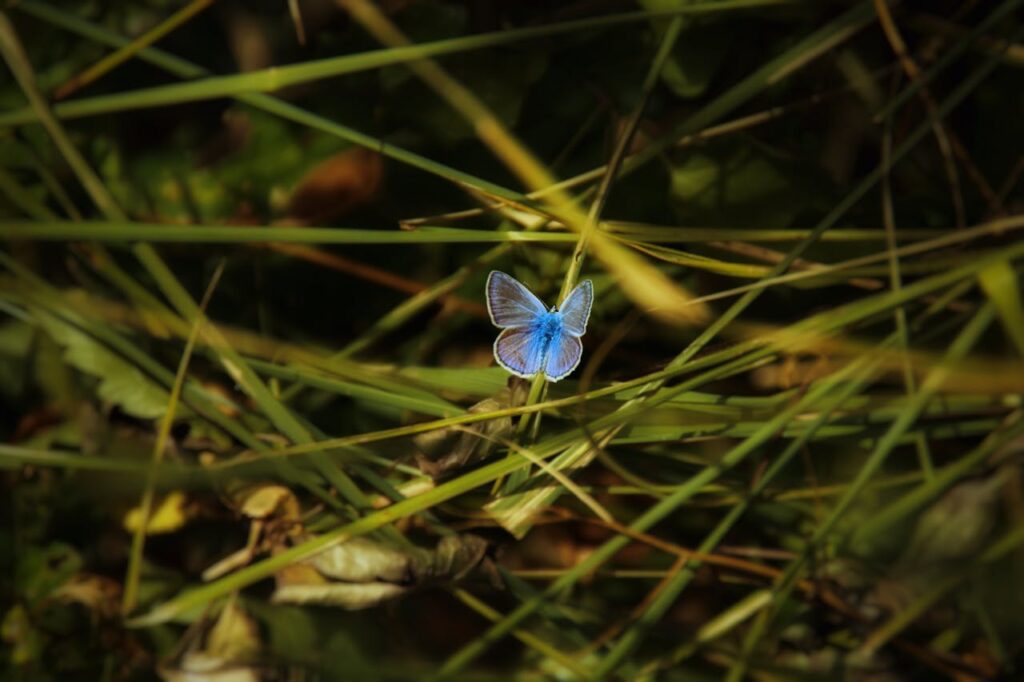
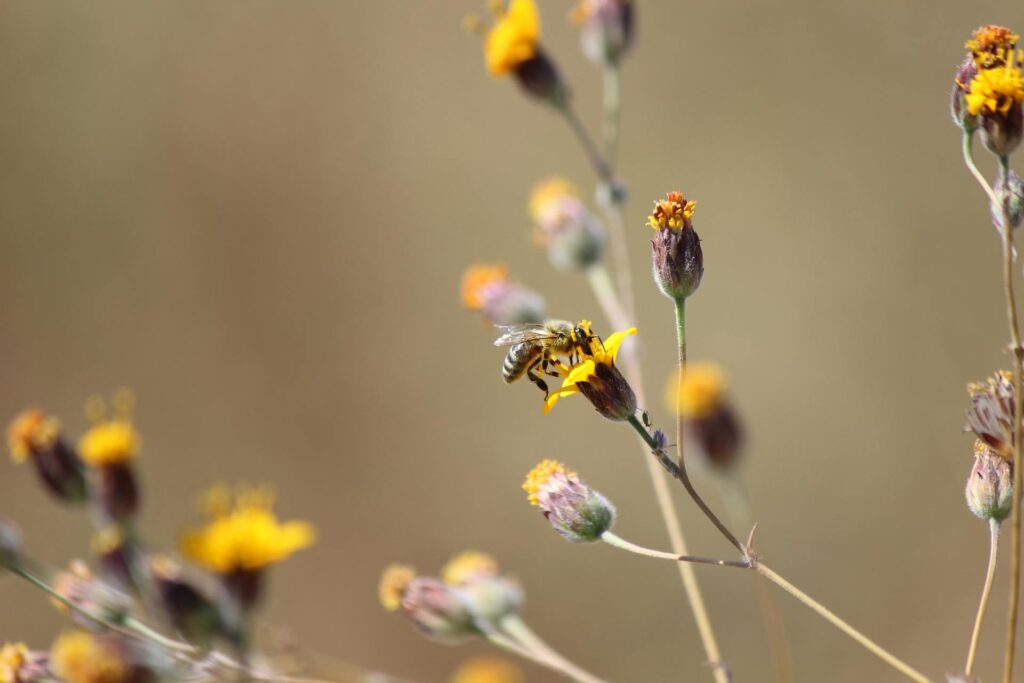
A BioBlitz is an intensive biodiversity survey event where volunteers work together to identify and record as many insect species as possible within a defined area. Observations and species records are uploaded to online citizen science platforms, making the data openly available to the global scientific and conservation community.

NewLIFE4BioIslands BioBlitz activities are assisted by a local entomologist, who supports participants in the identification and monitoring of insect and pollinator species.

Sign up

Gran Canaria

Tifaracás-Vigaroe

  • ES0000111 · Tamadaba SAC
  • ES7010039 · El Nublo II SAC

Targeted species

Annex II Habitats Directive
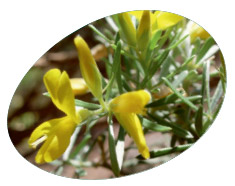
Teline rosmarinifolia
Teline rosmarinifolia*M.Díaz-Bertrana
Dendriopoterium pulidoi
Dendriopoterium pulidoiM.Díaz-Bertrana

Targeted habitats

Endemic forests with Juniperus spp.
Endemic forests with Juniperus spp.9560*M.Díaz-Bertrana

Pressures

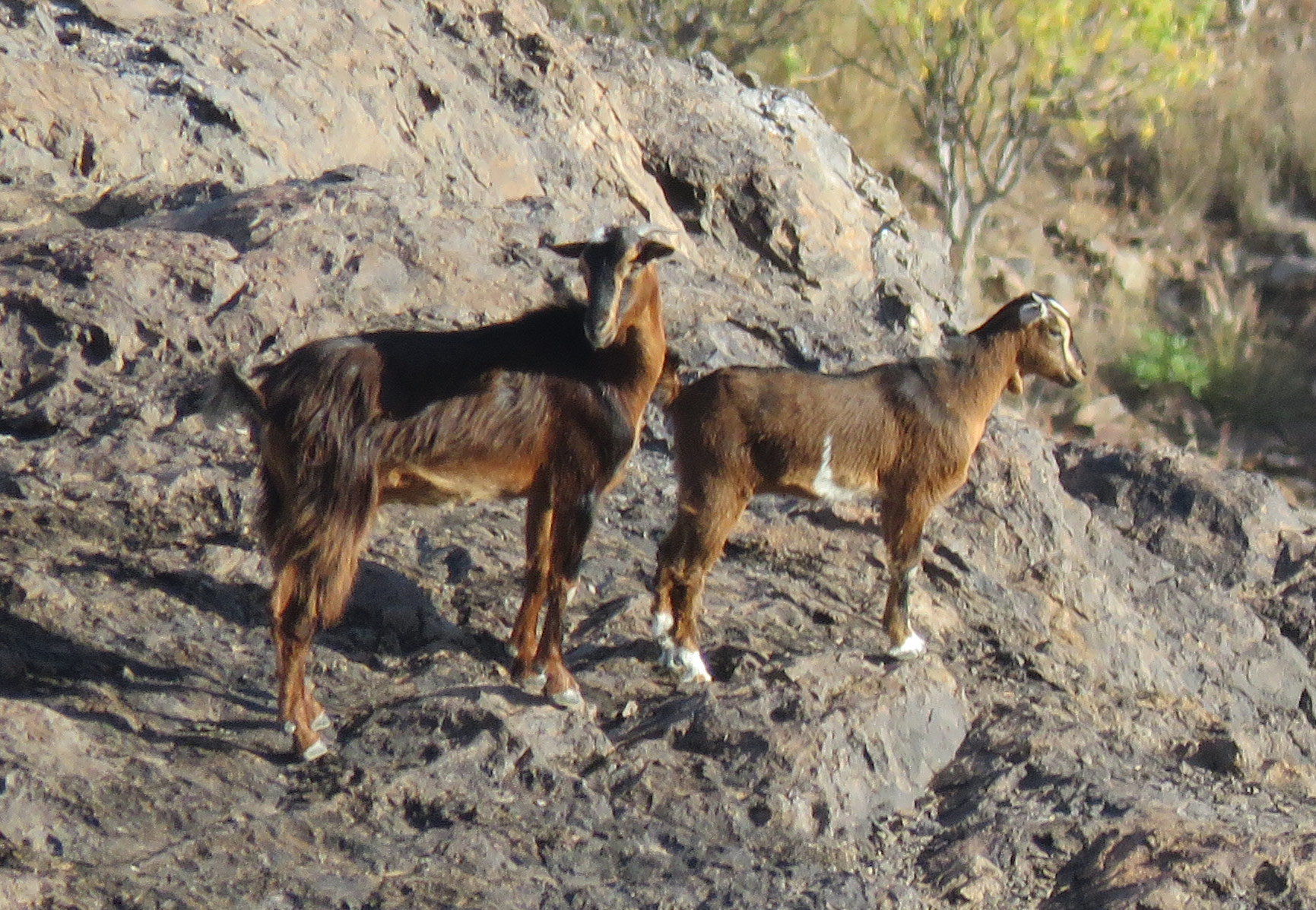
  • Overgrazing by feral goats
  • Soil erosion
  • Desertification
Feral goats on the arid slopes of the Tifaracas and Vigaroe ravines

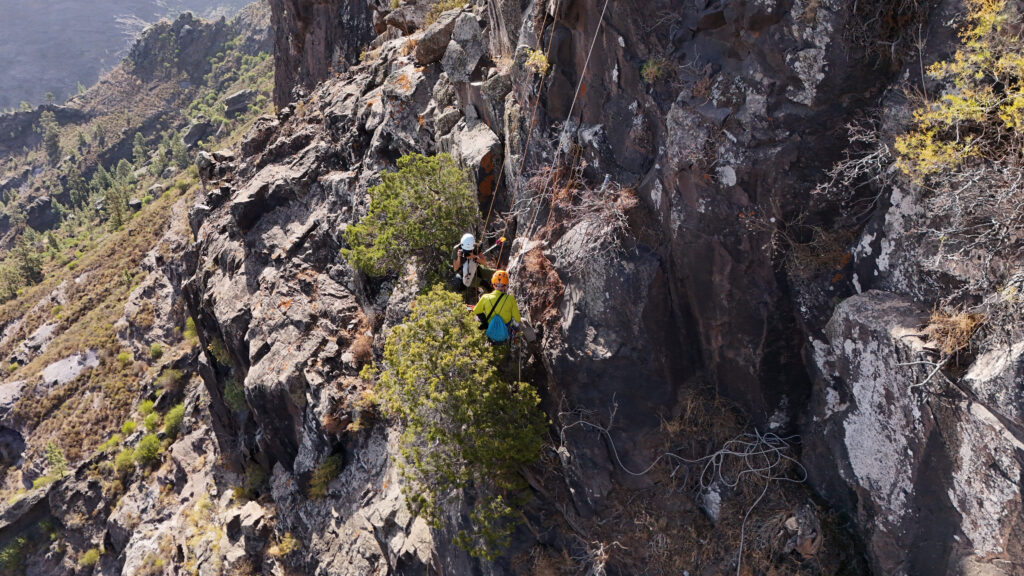
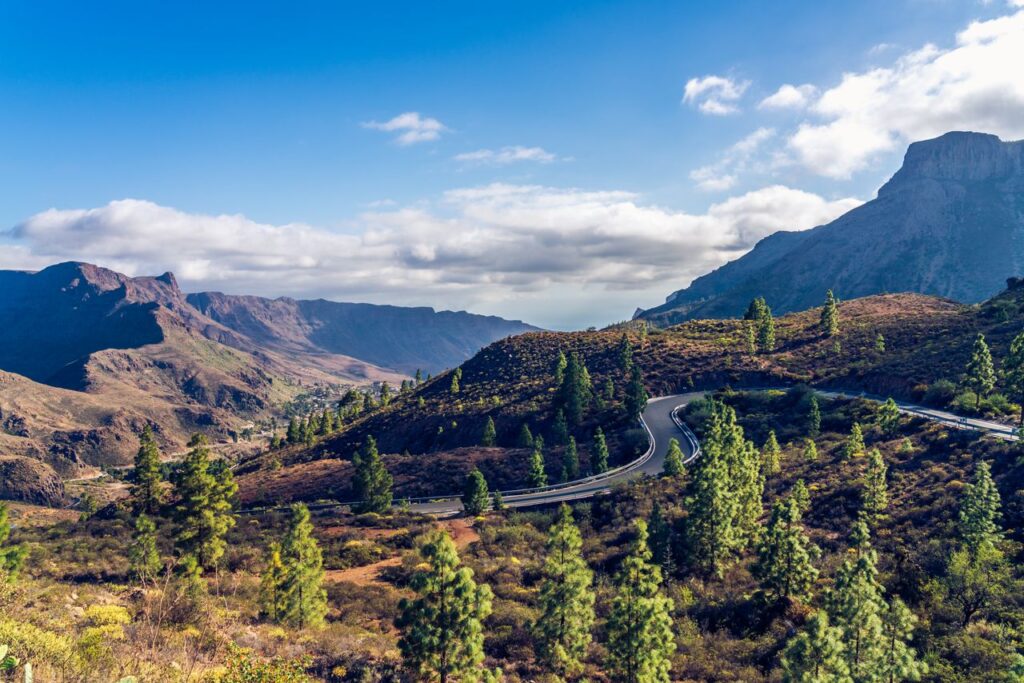
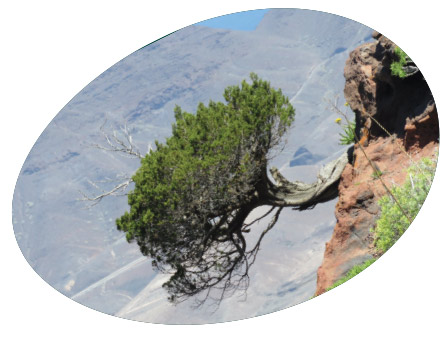
Arid, rugged landscape deeply incised within the Tejeda ravine, strategically located between two of Gran Canaria’s most valuable ecological areas: the Tamadaba and Inagua, the latter being home to the endemic and endangered Gran Canaria blue chaffinch (Fringilla polatzeki). Despite its current state of severe desertification, the area has significant potential to function as a key ecological corridor. The Juniperus woodland habitat (9560*) is highly degraded, with only scattered individuals of Juniperus turbinata surviving on inaccessible cliffs beyond the reach of introduced herbivores.

Barcelona

El Roure

  • ES5110010 · Sant Llorenç del Munt i l’Obac

Targeted species

Annex II Habitats Directive
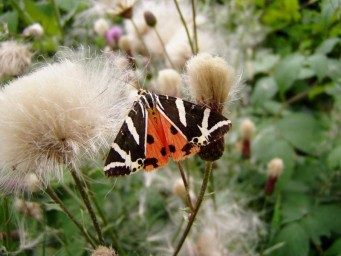
Euplagia quadripunctaria
Euplagia quadripunctaria*
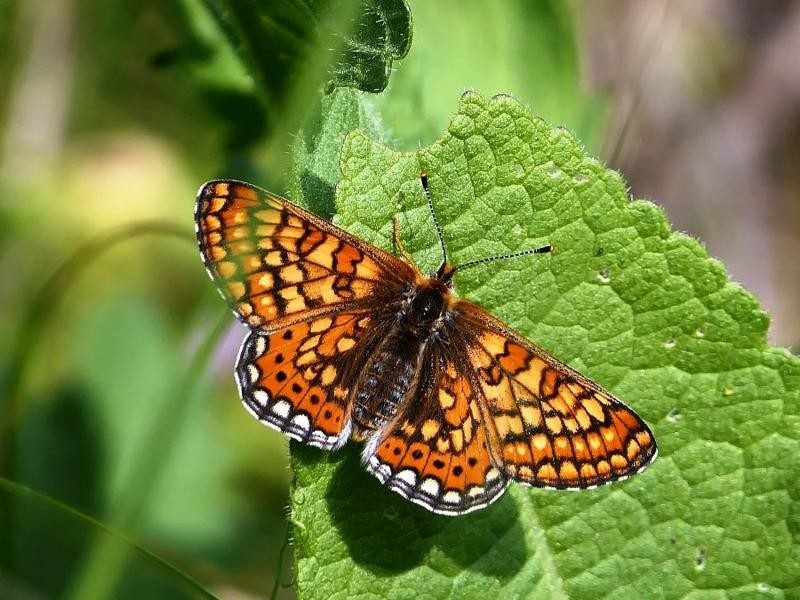
Euphydryas aurinia
Euphydryas aurinia*

Targeted habitats

Pseudo-steppe with grasses and annuals of the Thero-Brachypodietea, habitat 6220*
Pseudo-steppe with grasses and annuals of the Thero-Brachypodietea6220*

Pressures

  • Habitat fragmentation from open-pit mining
  • Recurrent wildfires
  • Shrub encroachment and lack of grazing management
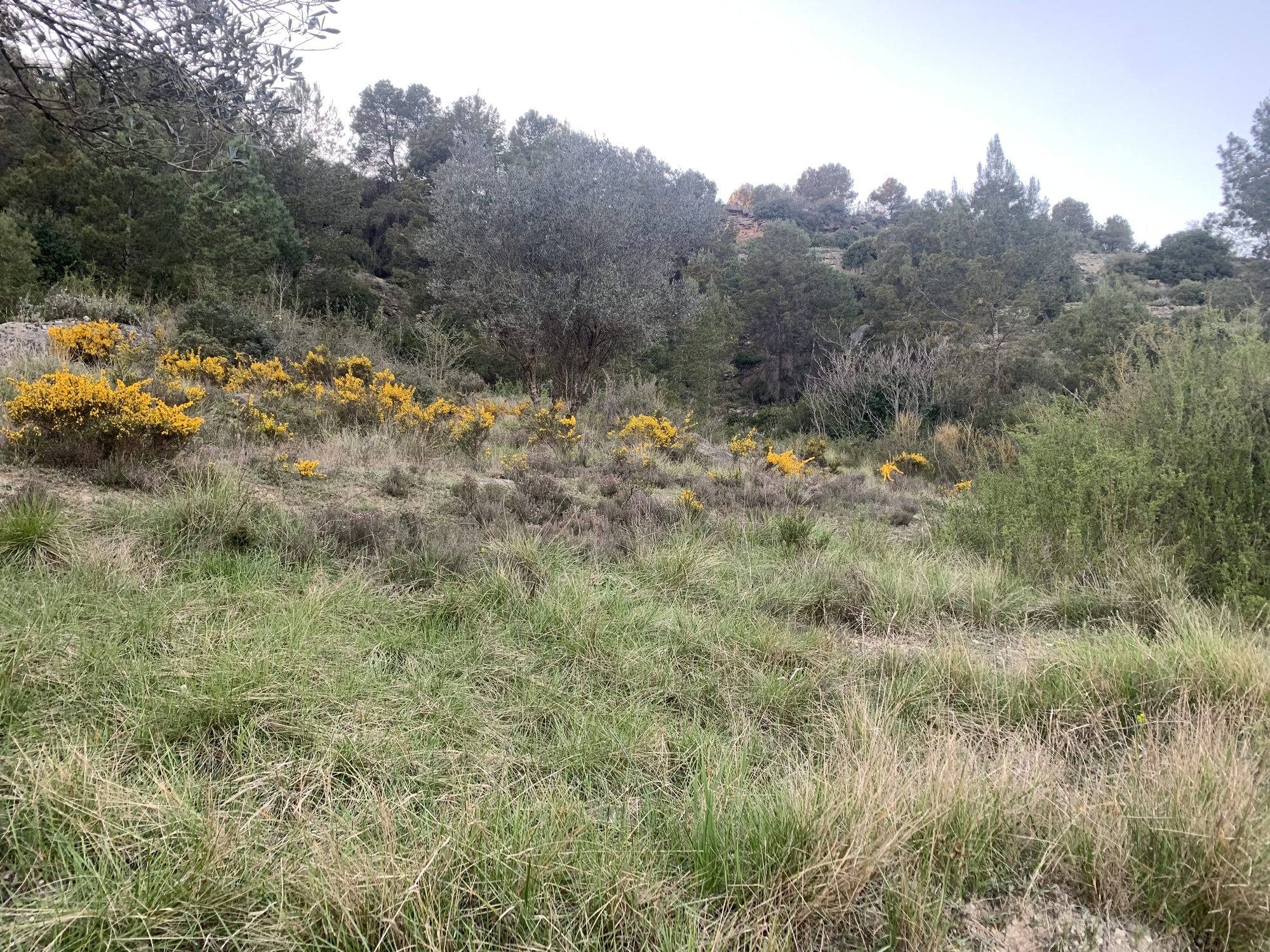
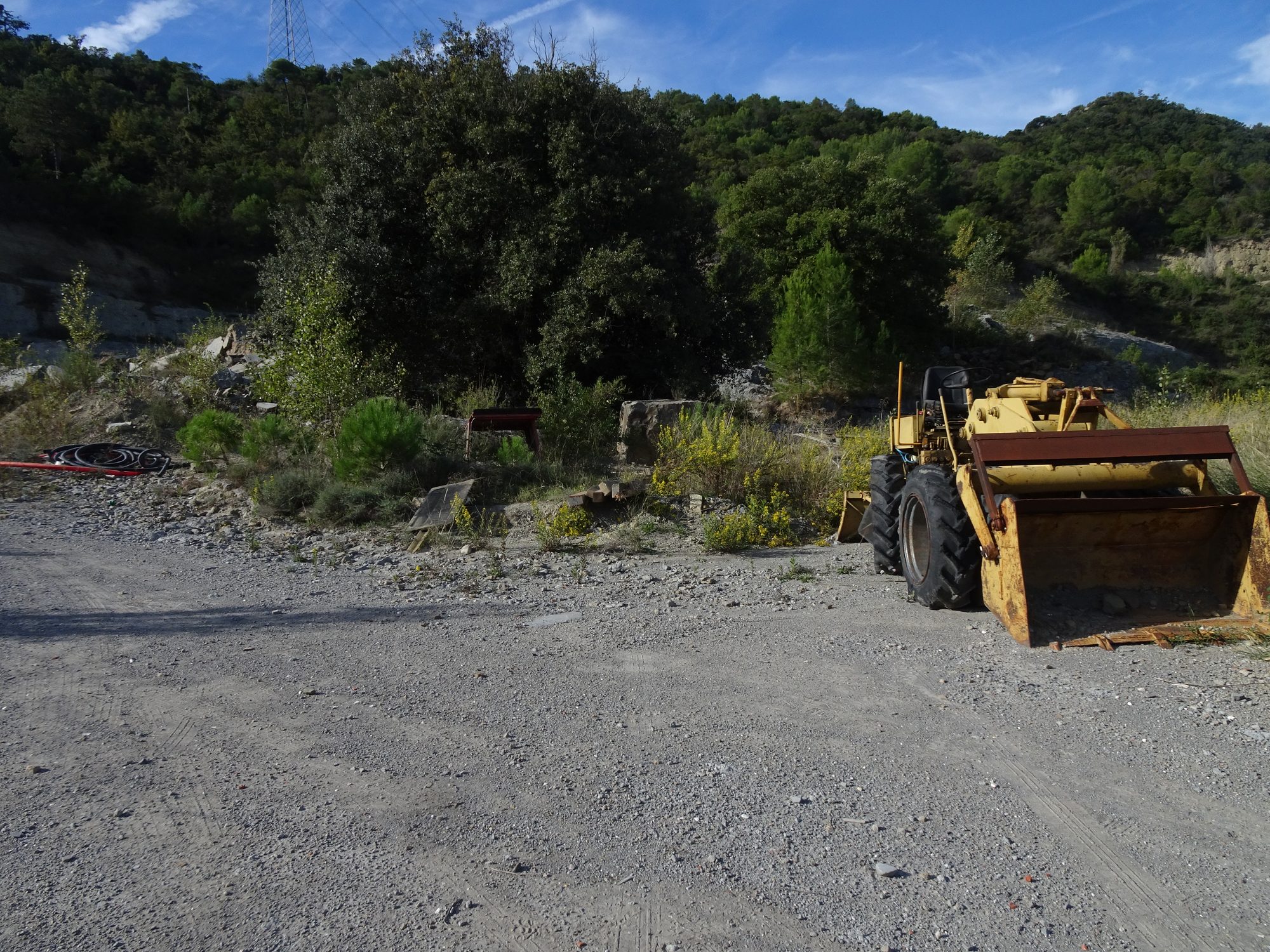
Habitat fragmentation from open-pit mining

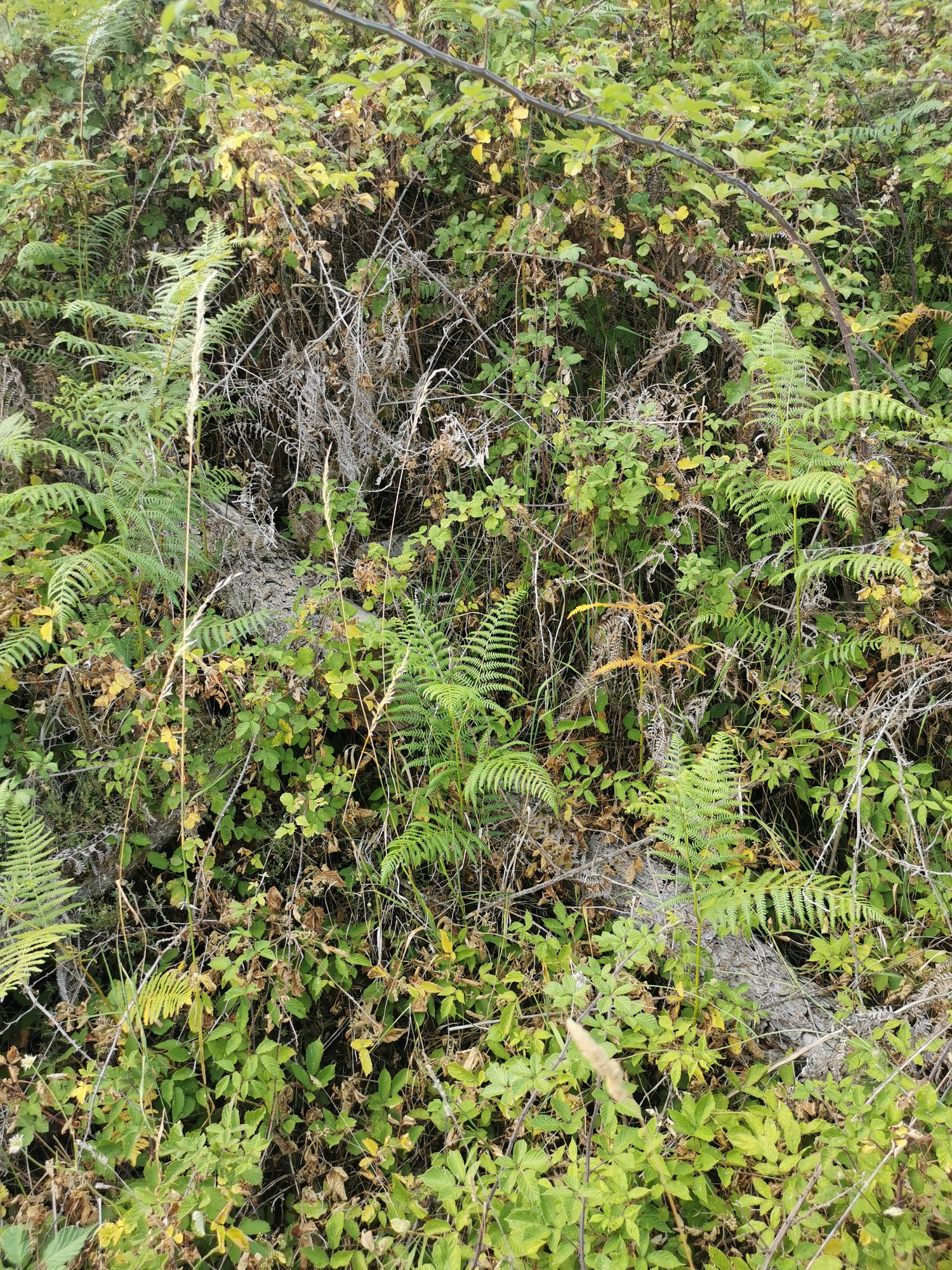
A degraded Mediterranean site in Sant Vicenç de Castellet, affected by soil compaction and erosion caused by former open-pit sandstone quarrying. Located within Sant Llorenç del Munt i l’Obac Natural Park, the area has high ecological value and significant potential for invertebrate recolonization and open-habitat restoration. Shrub encroachment and the lack of grazing management are driving the decline of key habitats, negatively affecting priority pollinator species such as Euphydryas aurinia and Euplagia quadripunctaria and reducing overall habitat quality.

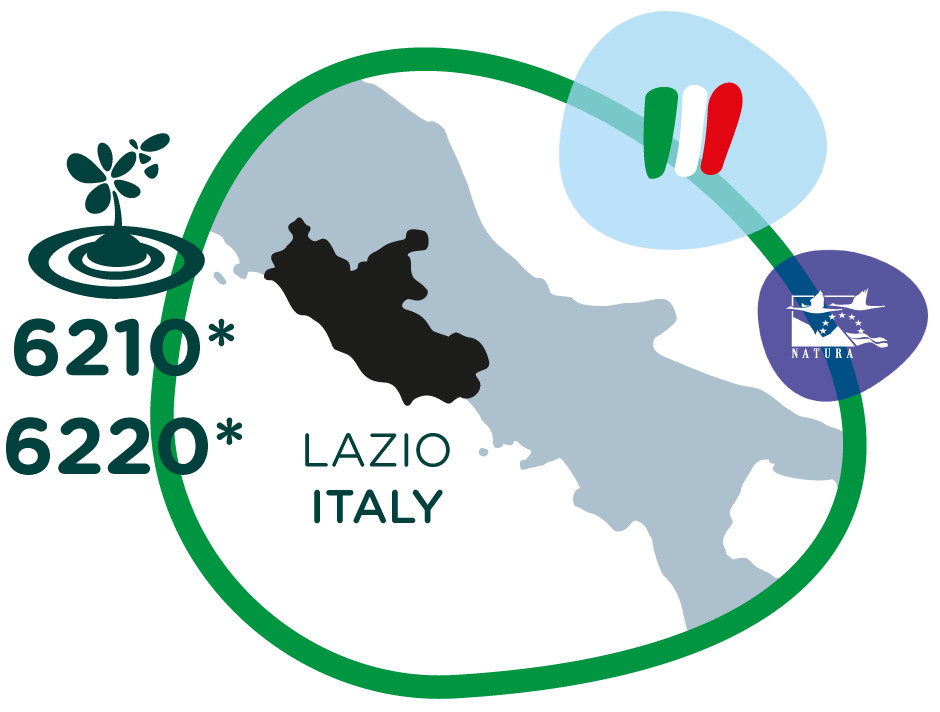
Frosinone

Monte Cairo

  • IT6050028 · Massiccio del Monte Cairo (aree sommitali)

Targeted species

Annex II Habitats Directive

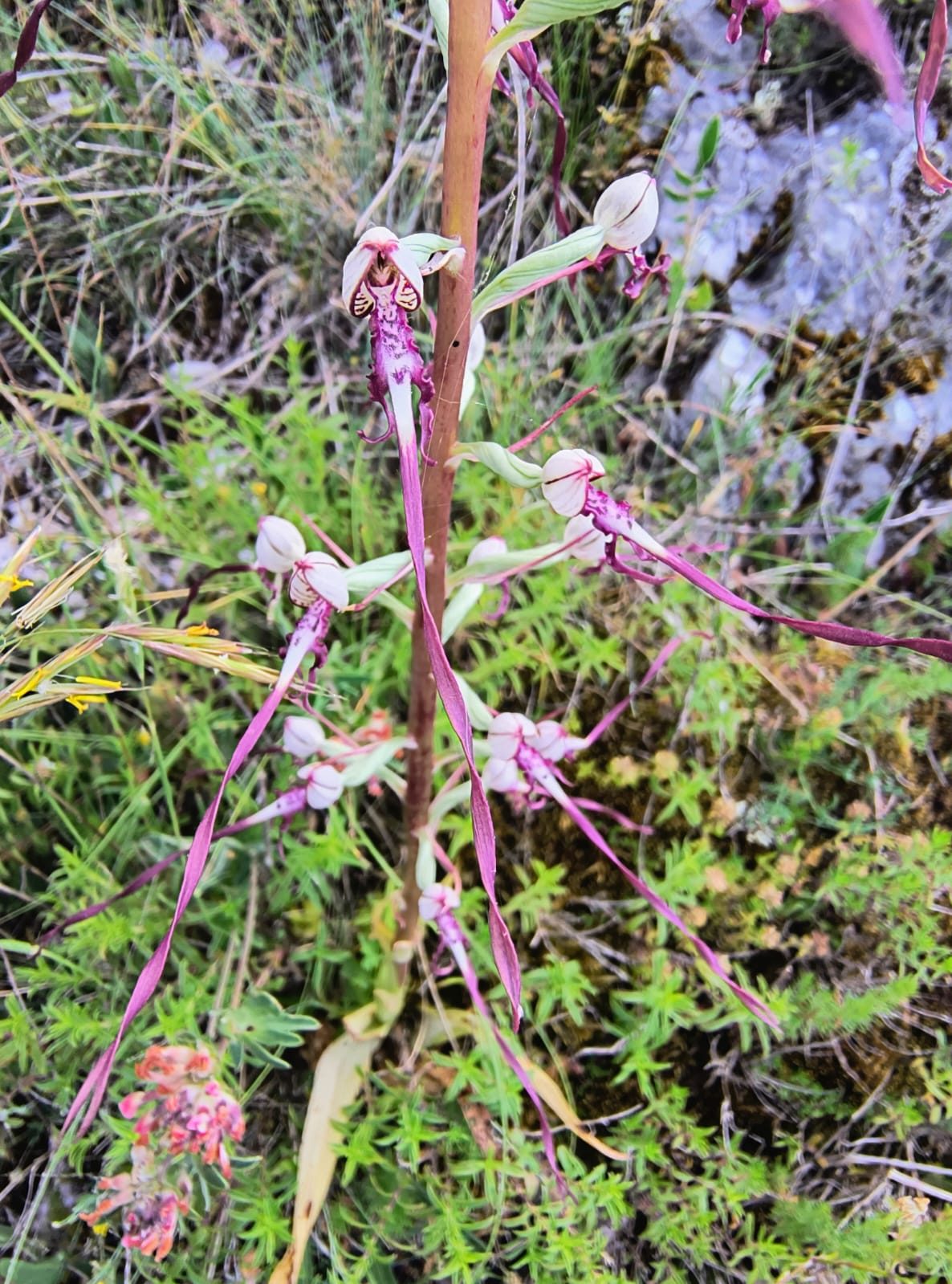
Himantoglossum adriaticum
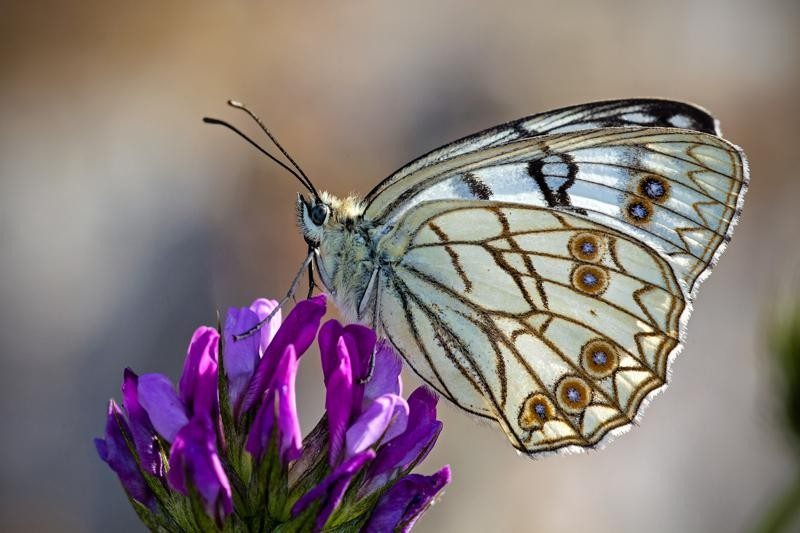
Melanargia arge
Melanargia arge

Targeted habitats

Semi-natural dry grasslands, habitat 6210*
Semi-natural dry grasslands6210*
Pseudo-steppe, habitat 6220*
Pseudo-steppe6220*
Quercus ilex forests, habitat 9340
Quercus ilex forests9340

Pressures

  • Unmanaged Pinus spp. monocultures
  • Shrub encroachment
  • Soil erosion
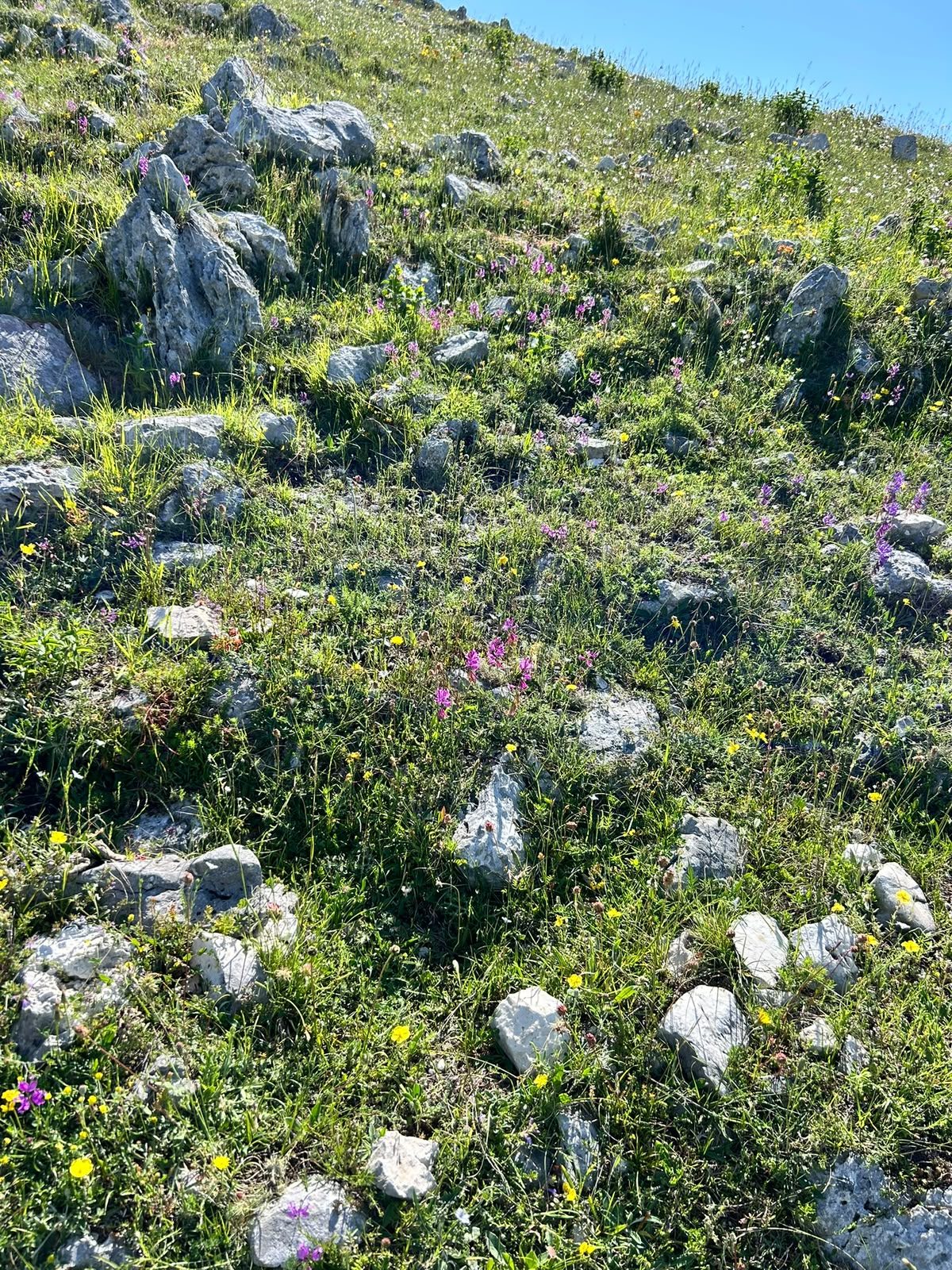
Damage to natural vegetation

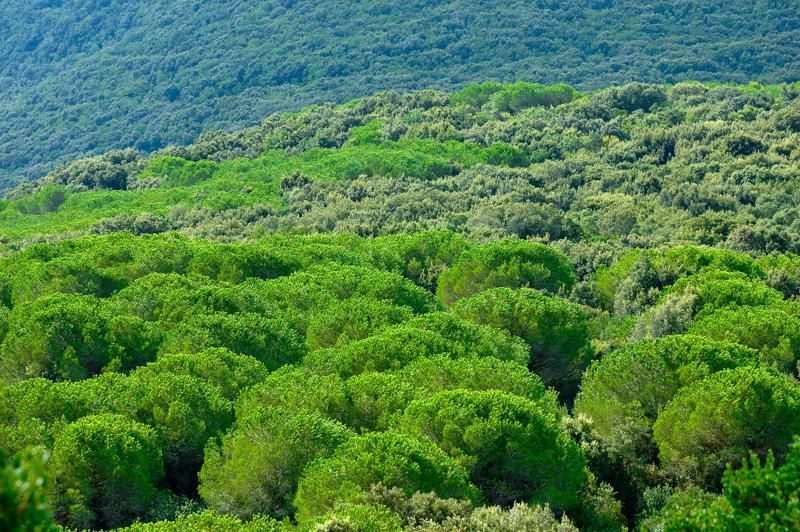
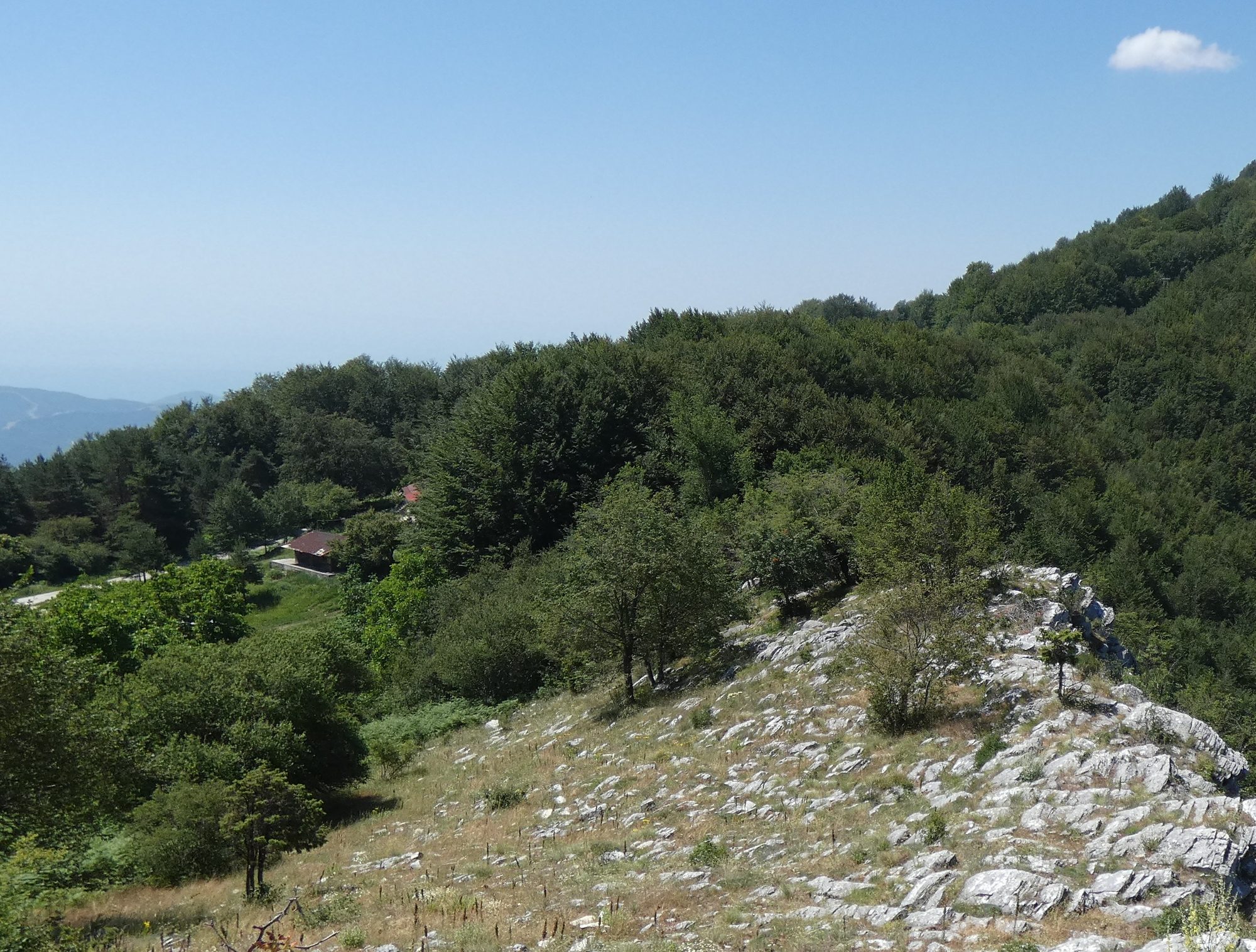
A degraded rural landscape in the central Apennines, where forests destroyed during World War II were replaced by extensive Pinus monoculture plantations. Restoration aims to replace pine plantations with native broad-leaved forests, improve soil conditions, reduce fire risk, and recover priority habitats, including pseudo-steppe grasslands (6220*) and degraded forest habitats (code to be specified). These actions will strengthen ecological connectivity and benefit key species such as Himantoglossum adriaticum and Melanargia arge while enhancing long-term ecosystem resilience and biodiversity conservation.

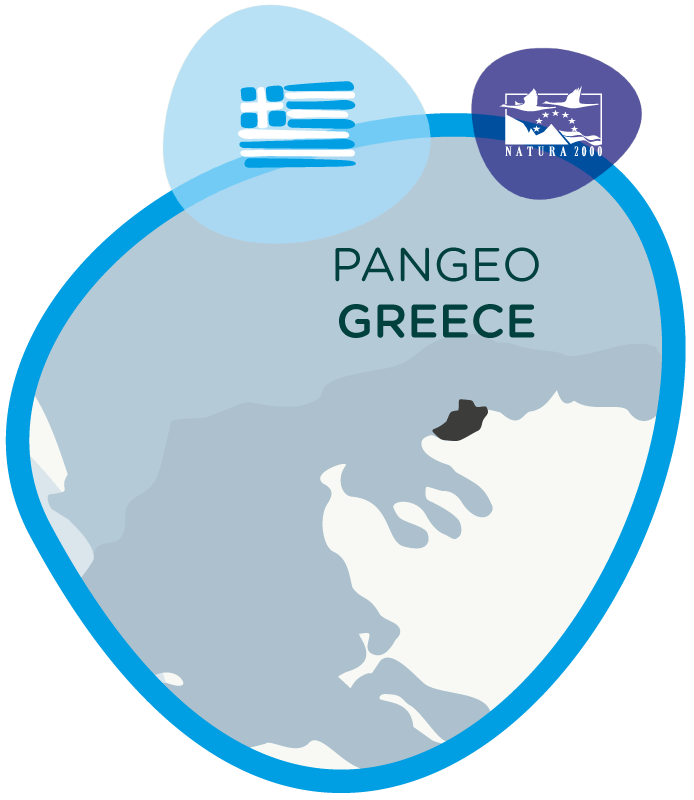
Eastern Macedonia and Thrace

Mount Pangeon

  • GR1150005 · Koryfes Orous Pangeo

Targeted species

Annex II Habitats Directive
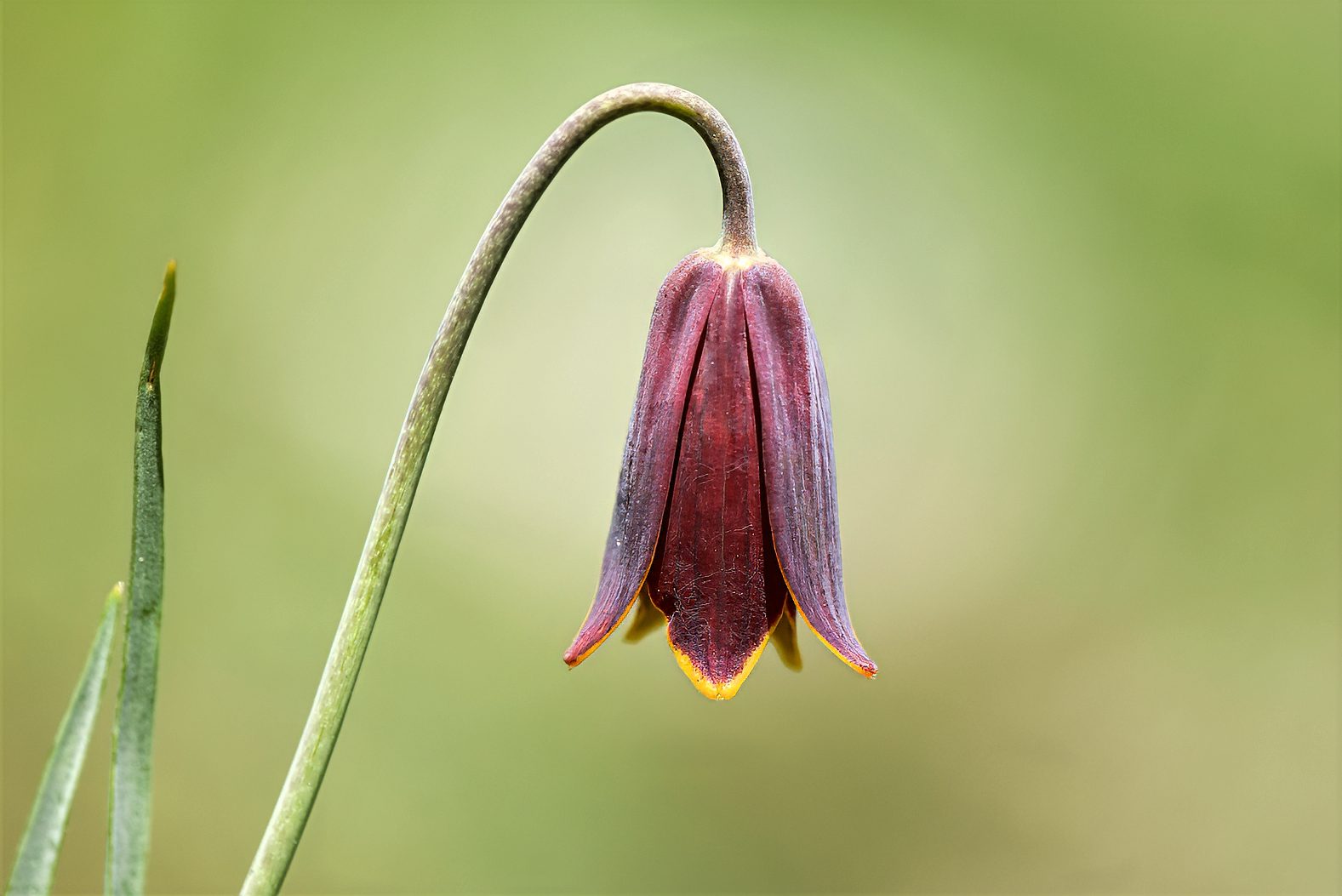
Fritillaria drenovskii
Fritillaria drenovskii© Kostas Vidakis / PGS
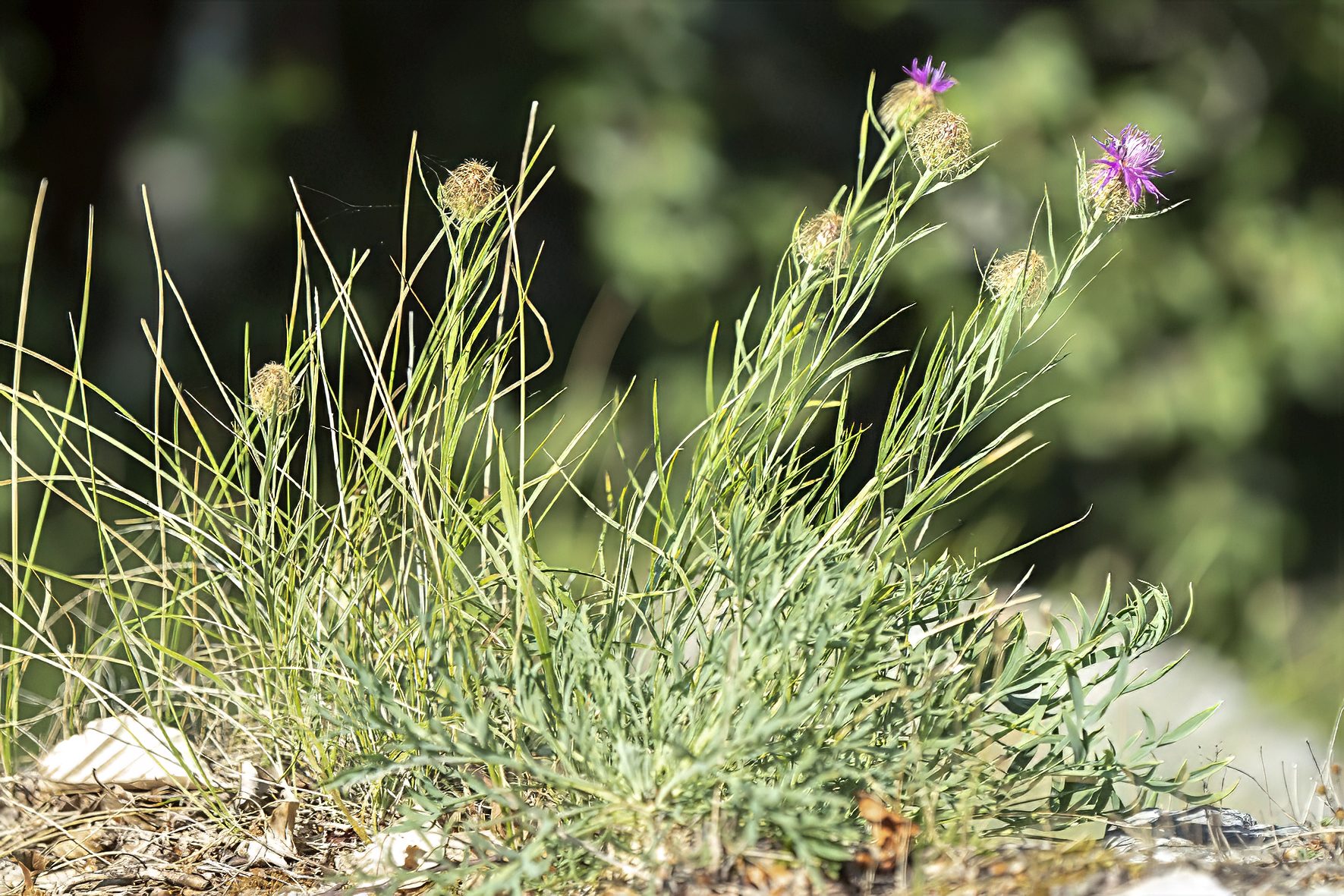
Centaurea pangaea
Centaurea pangaea© Kostas Vidakis / PGS
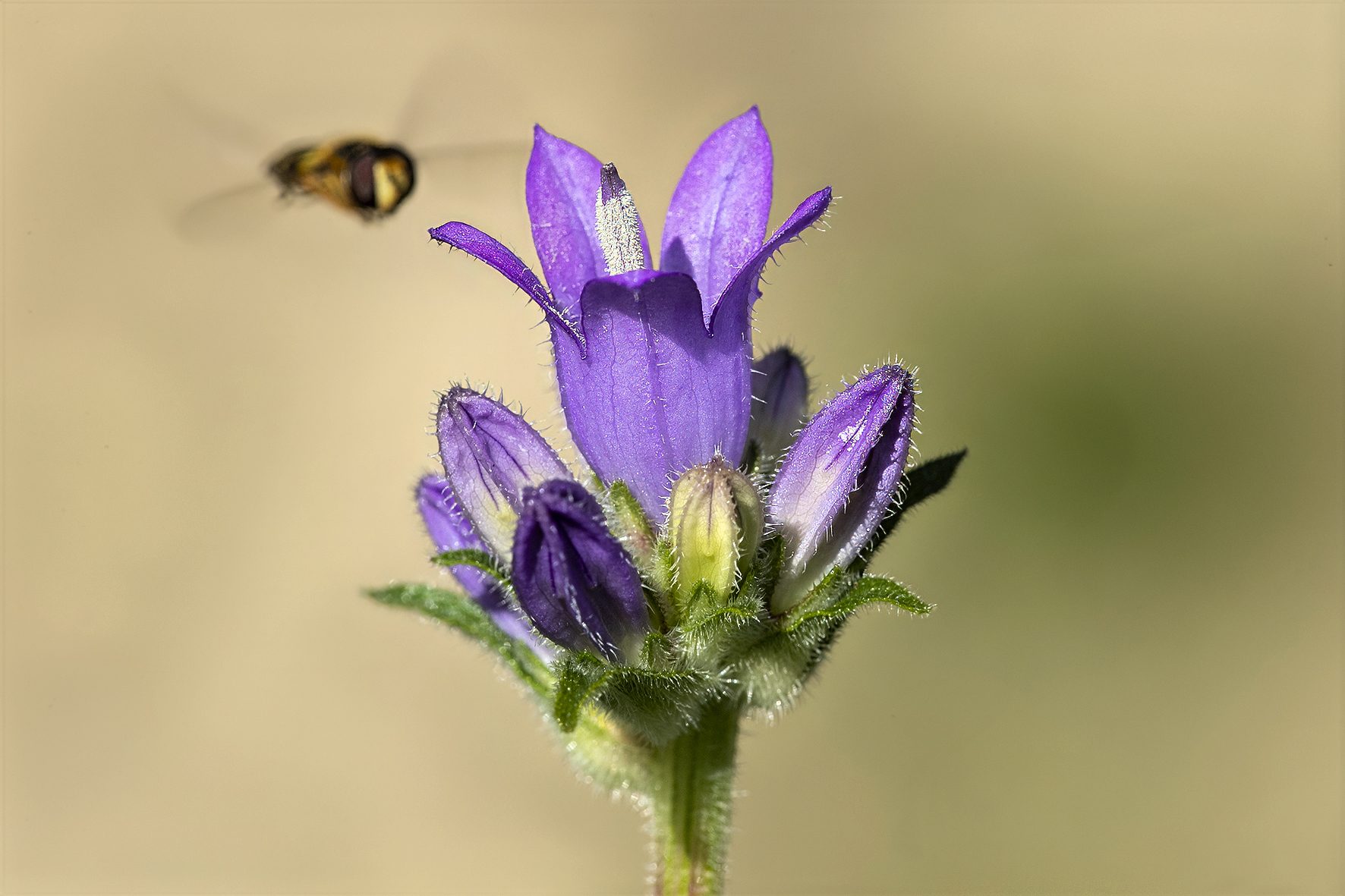
Campanula pangea
Campanula pangea© Kostas Vidakis / PGS

Targeted habitats

Alpine and subalpine calcareous grasslands, habitat 6170
Alpine and subalpine calcareous grasslands6170
Calcareous rocky slopes, habitat 8210
Calcareous rocky slopes8210

Pressures

  • Large-scale wildfires
  • Climate change
  • Shrub encroachment
Shrub encroachment

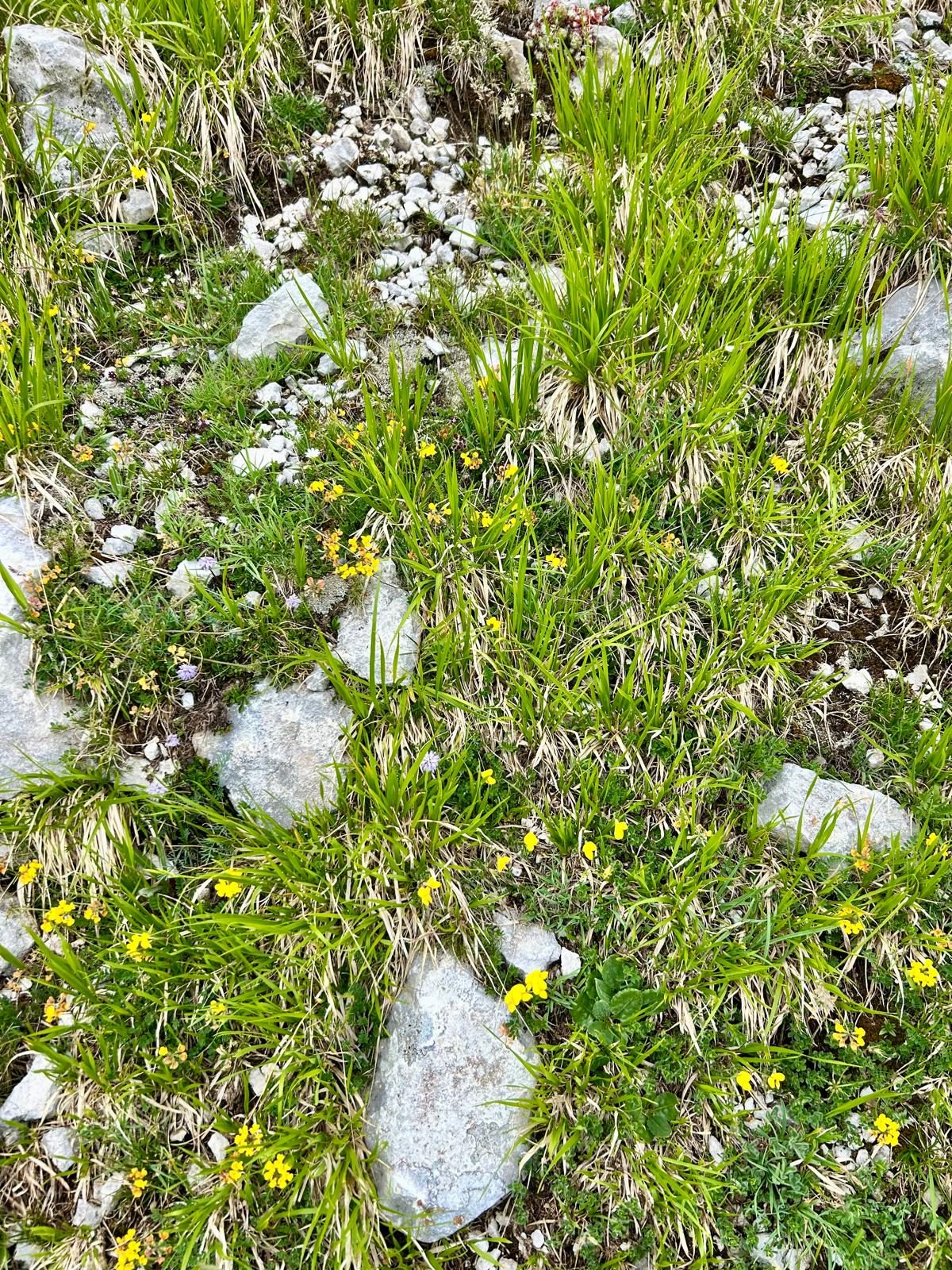
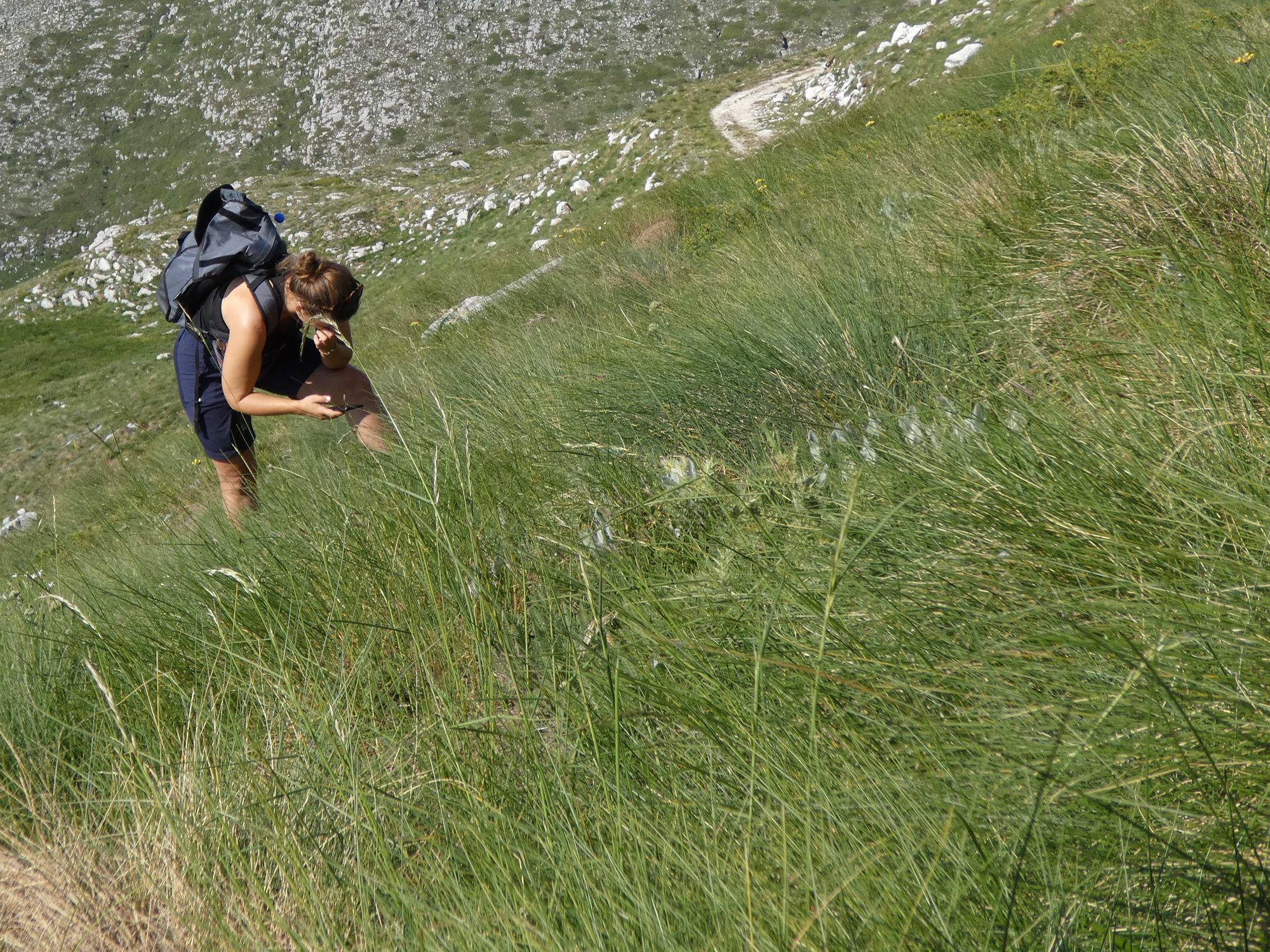
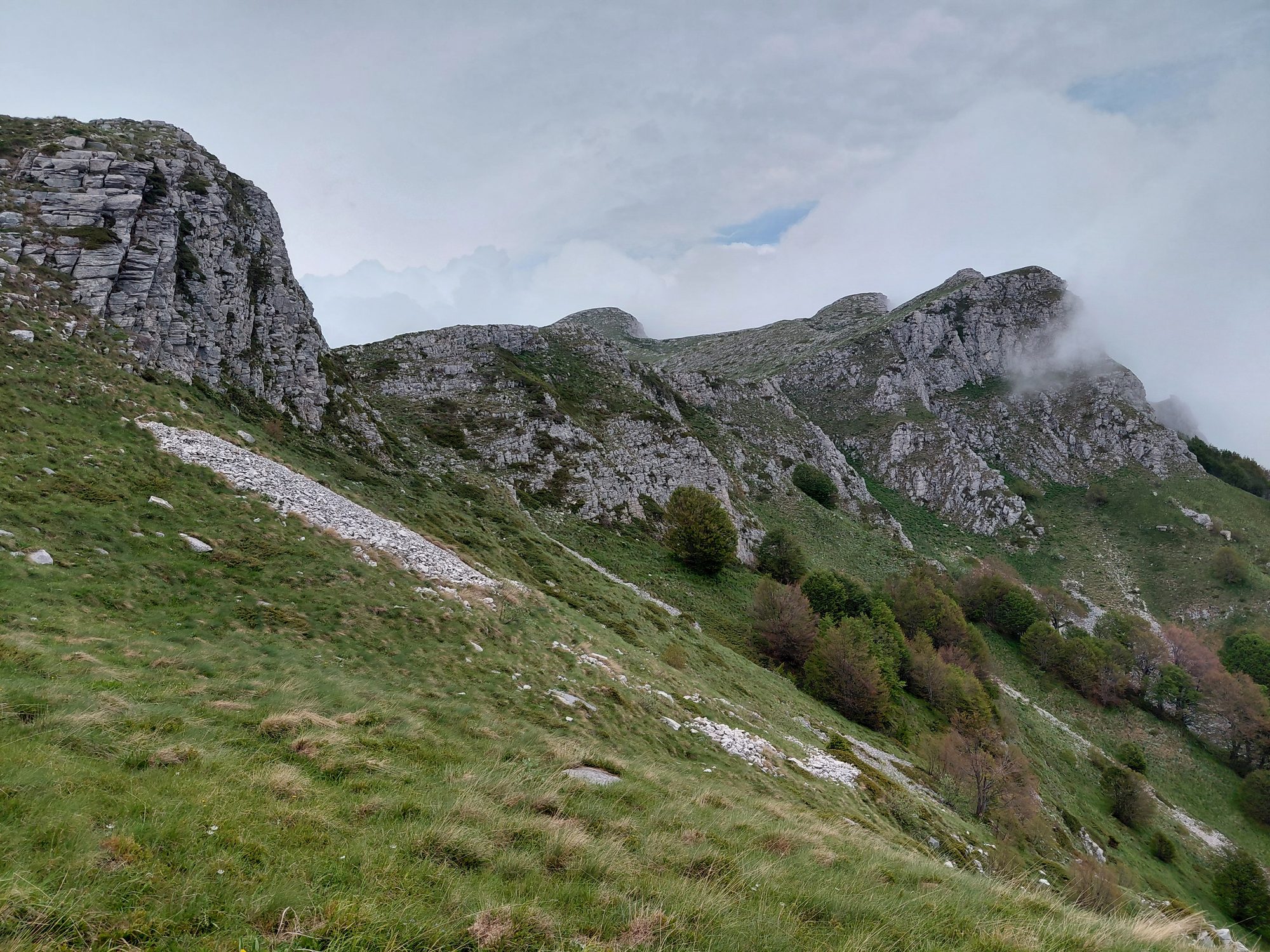
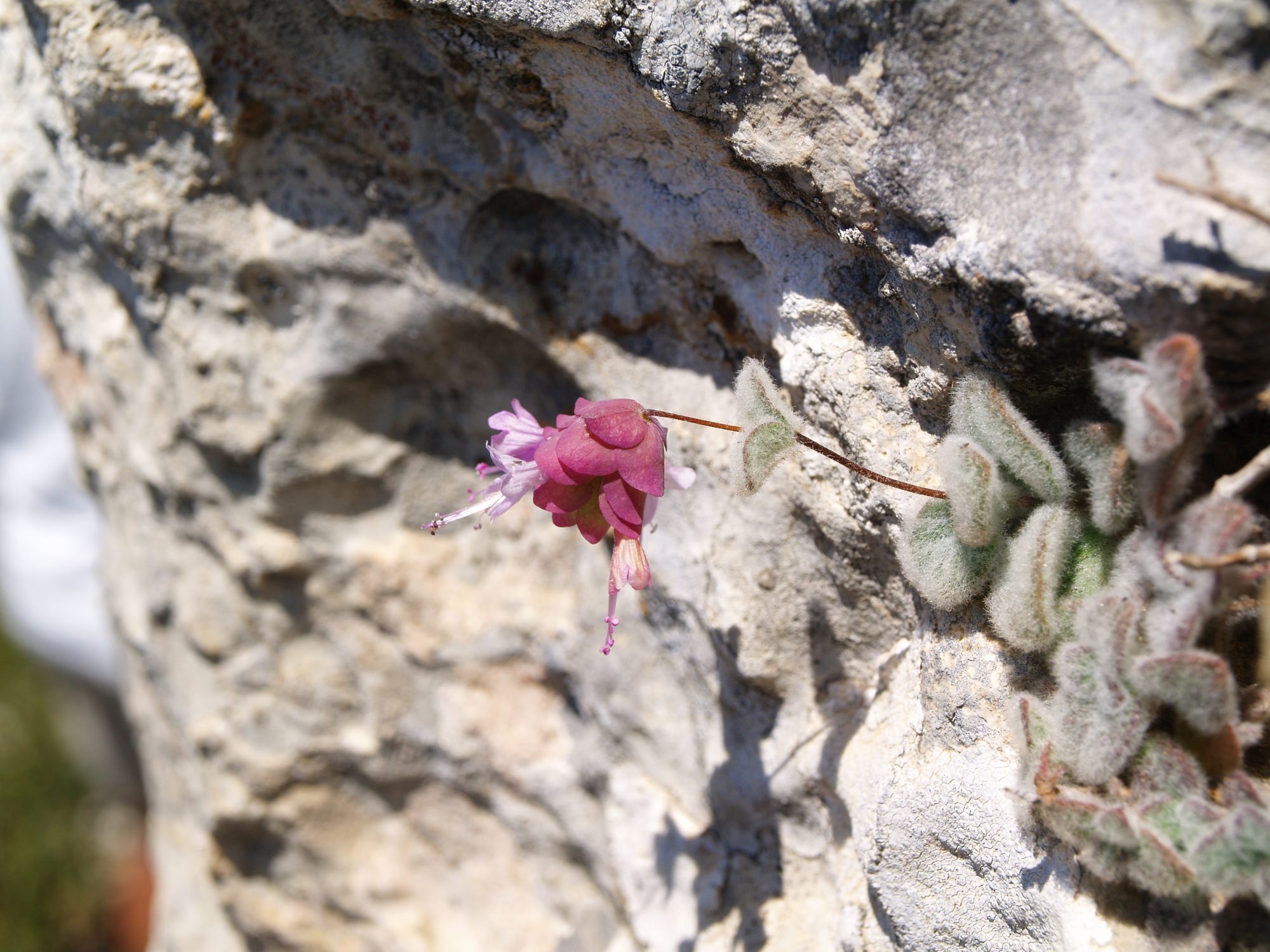
A high-mountain massif with exceptional ecological value, supporting Mediterranean and Central European forest communities and unique alpine biodiversity. The area has been severely affected by climate change, shrub encroachment, and a major wildfire in 2024, resulting in the decline of sub-alpine grasslands and rocky habitats. Restoration focuses on revegetation, biomass management, and the recovery of open mountain ecosystems to reduce fire risk and improve habitat conditions for endemic plant species and other high-altitude biodiversity while strengthening long-term ecosystem resilience.

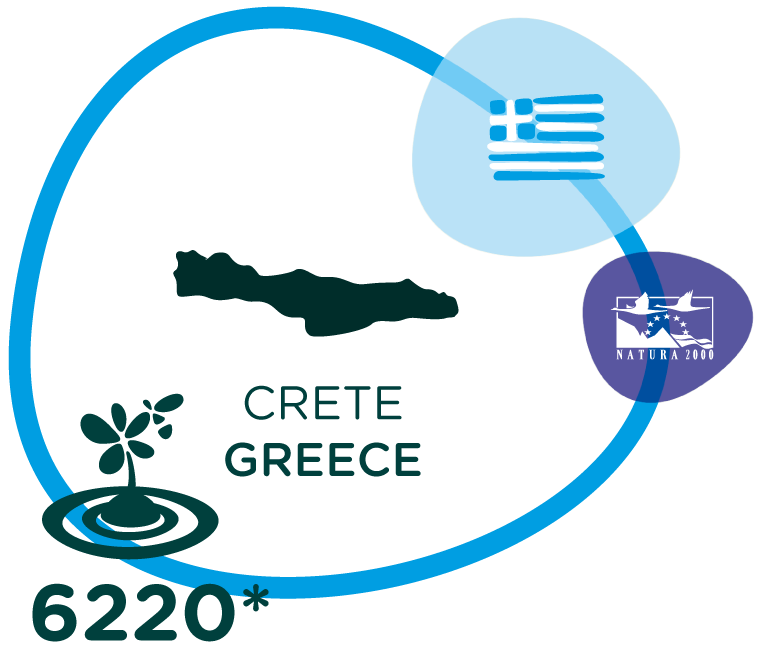
Crete

Asterousia Ori

  • GR4310005 · Asterousia (Kofinas)

Targeted species

Annex II Habitats Directive

Origanum dictamnus
Origanum dictamnus
Foto
Crepis pusilla

Targeted habitats

Olea and Ceratonia forests, habitat 9320
Olea and Ceratonia forests9320
Sarcopoterium spinosum phryganas, habitat 5420
Sarcopoterium spinosum phryganas5420

Pressures

  • Severe overgrazing
  • Water scarcity
  • Pasture burning practices
Severe overgrazing

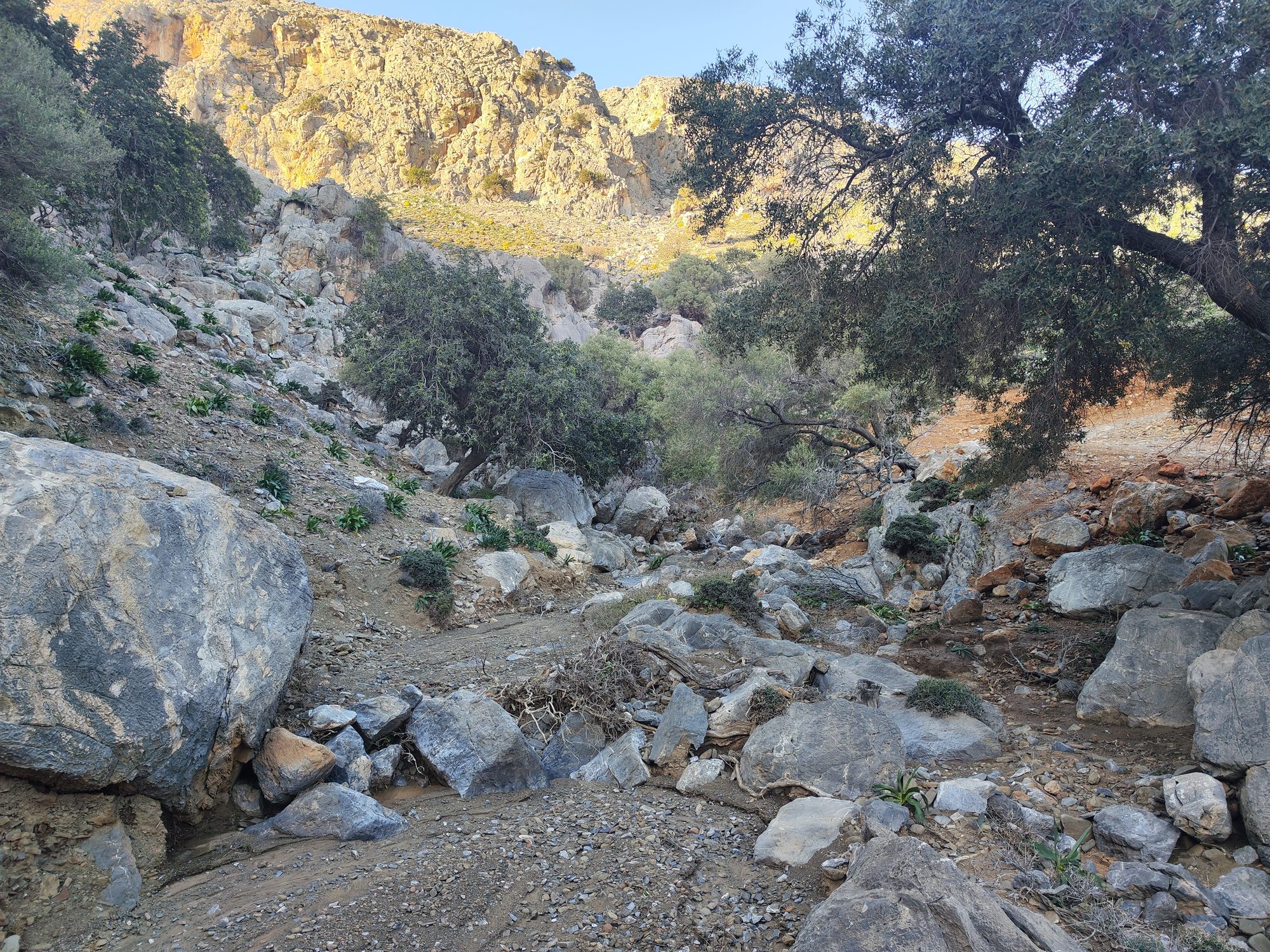
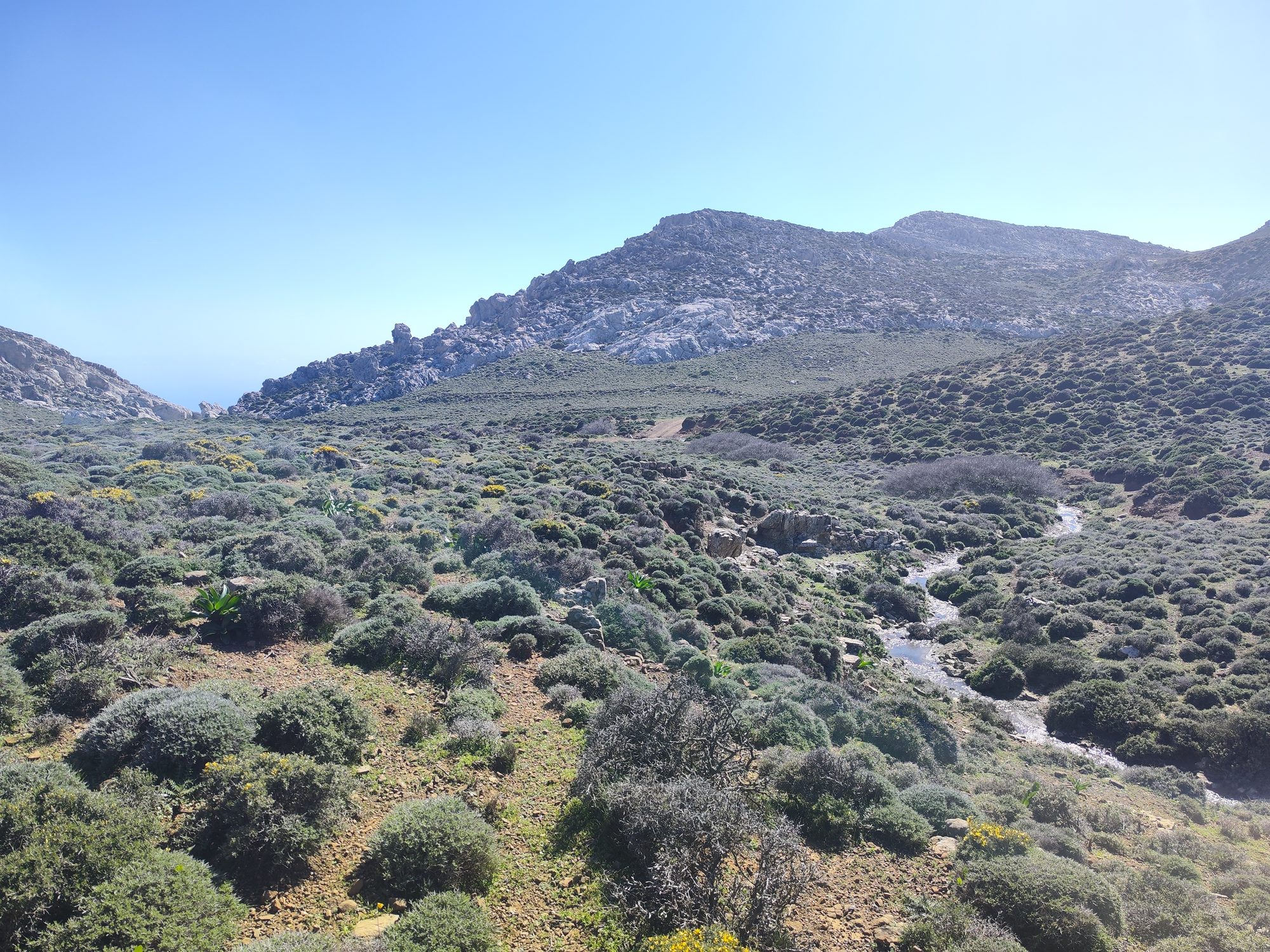
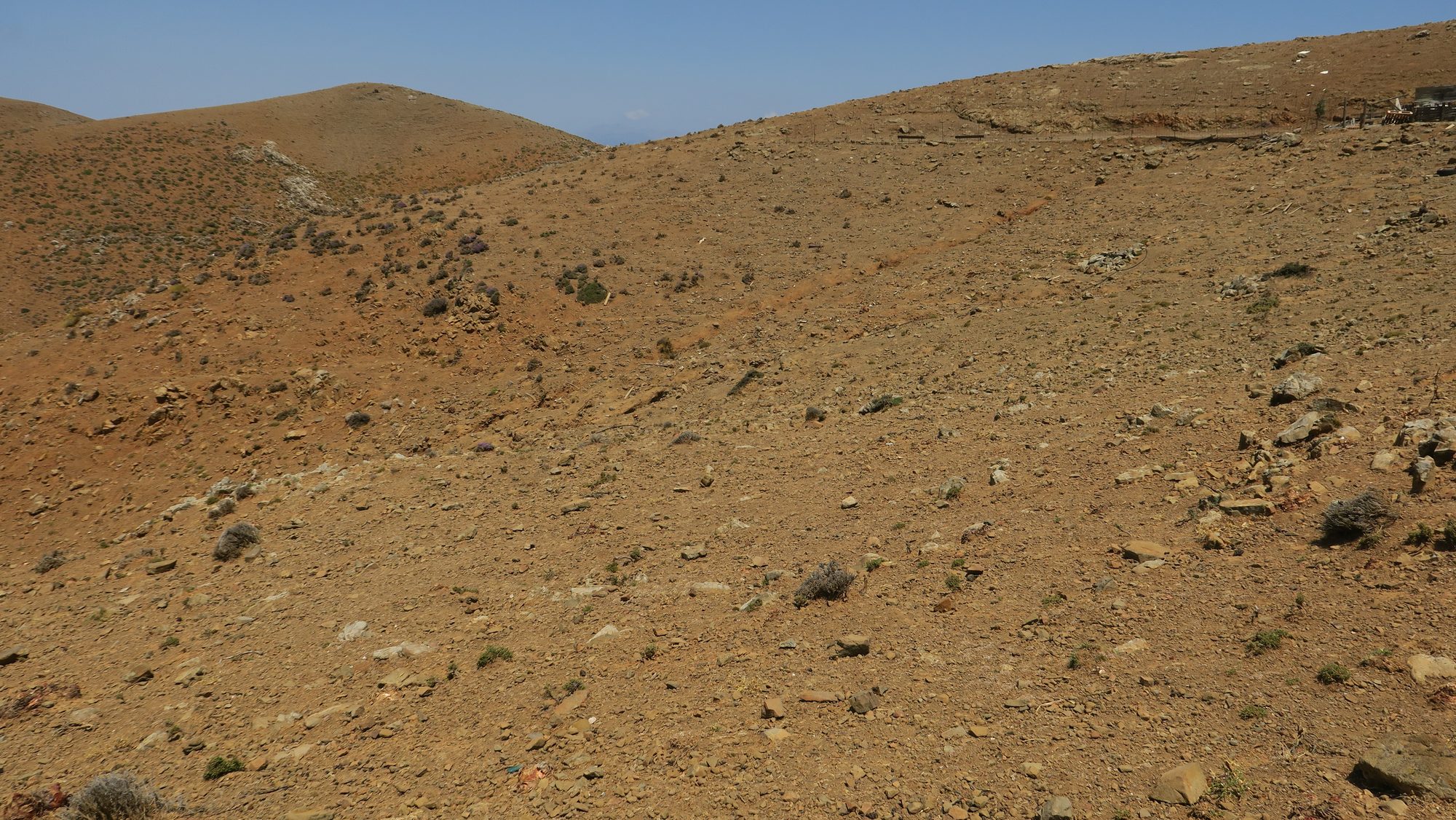
A rugged mountain landscape in southern Crete, dominated by limestone and dolomite formations and affected by severe water stress and historical overgrazing. Part of the UNESCO Biosphere Reserve network, the area supports important raptor populations and has high ecological value. Restoration focuses on strengthening resilient Mediterranean plant communities and promoting sustainable grazing management. Degraded phrygana (5420) and Olea-Ceratonia woodlands (9320) currently provide limited habitat and food resources for endemic and protected species, including Origanum dictamnus and Crepis pusilla, while improving ecosystem resilience and biodiversity.

Citizen science

Join our BioBlitz events

A BioBlitz is an intensive biodiversity survey where volunteers work together to identify and record as many insect species as possible within a defined area, assisted by a local entomologist. Leave us your details and we will let you know about upcoming events.